Start with the missing job in the routine
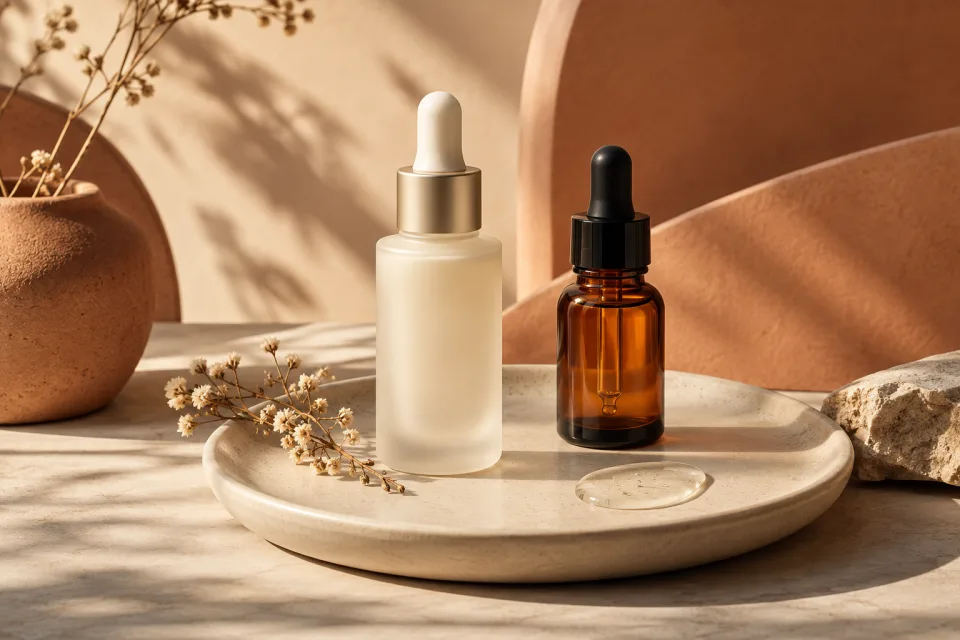
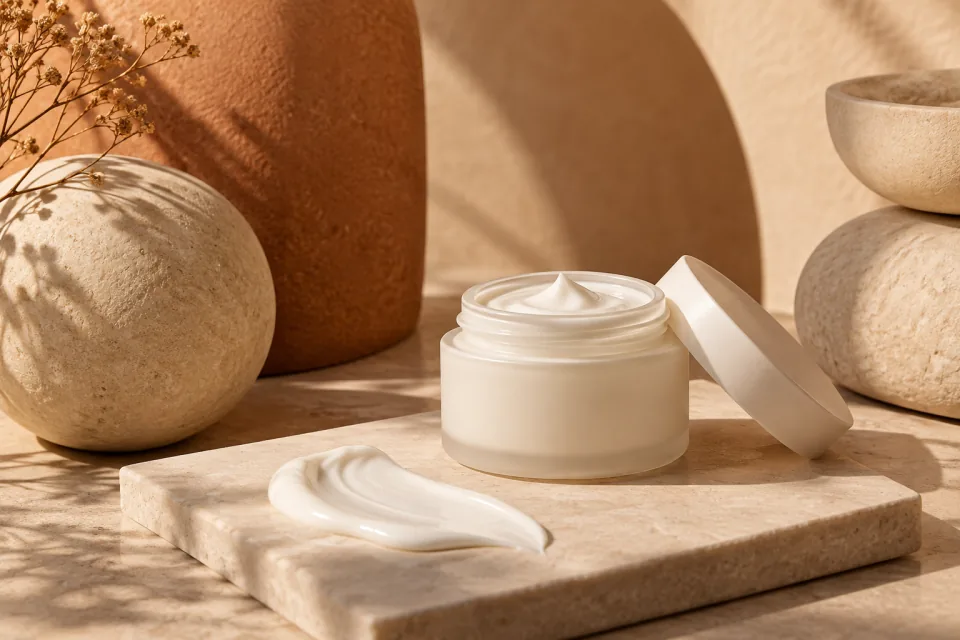
A serum and a cream can share the same headline peptide while solving different practical problems. A thin serum may be intended as an additional treatment layer. A cream may also serve as the moisturizer. Before comparing prices, decide whether you are adding a new step or replacing a product already doing useful work.
For example, Paula’s Choice’s peptide booster and peptide moisturizer are not simply two package sizes of one formula. Their format and intended role differ. Buying both is optional, and a collection name does not establish that the pair is necessary for a complete routine.
Texture words do not provide a full formula analysis
Serum often suggests a lighter product, but the word is not a standardized measure of concentration or effectiveness. Some serums contain substantial emollients, while some gel-creams are relatively light. NIOD’s CAIL is described as a balm or nighttime gel despite sometimes appearing alongside serum terminology.
Read the manufacturer’s format and ingredient list together. If you have not personally tried the product, treat silky, fast-absorbing or non-greasy as a claim about sensory experience rather than a guaranteed property for every person or application amount.
Moisturizing effects belong in the comparison
Humectants, emollients and other parts of the vehicle can influence comfort and the appearance of fine lines. A peptide cream may look successful partly because it provides a better moisturizing base than the product it replaced. That benefit can be worthwhile without assigning it all to the peptide.
The American Academy of Dermatology emphasizes moisturizer and sun protection in an appearance-focused routine. A premium peptide ingredient does not remove those ordinary needs. If a serum leaves you needing another cream, include that step in both your practical and financial comparison.
Compare total routine cost with bottle cost
Suppose a hypothetical $30 serum is added to a $20 moisturizer that you already replace at similar intervals. The combined purchase is $50, not $30. A $40 cream replacing the moisturizer may produce a different total even if its sticker price looks higher than the serum alone. These numbers illustrate budgeting, not product equivalence.
Actual replacement intervals can differ, so use your own records when estimating ongoing spending. Price per milliliter helps compare container sizes but cannot resolve different application amounts or prove that a cheaper combination produces the same result.
Judge a format by daily use, not prestige
Ask whether the product fits under your sunscreen, whether the routine is comfortable and whether the added step is easy to maintain. A cream might simplify one person’s routine while feeling excessive in another person’s preferred layering sequence. Neither experience establishes a universal winner.
Use current product directions, especially when a prescription topical is involved. Assess one meaningful change at a time where practical, and keep the goal specific. Choosing between serum and cream should make the routine more useful; it does not need to become a contest over which word implies a more advanced formulation.
Sources & further reading
Official pages and evidence consulted for this article. Checked October 11, 2026. Provider pages establish advertised terms; they do not independently establish effectiveness.
- Paula’s Choice: Pro-Collagen Multi-Peptide Booster Manufacturer
- Paula’s Choice: Pro-Collagen Peptide Plumping Moisturizer Manufacturer
- NIOD: Copper Amino Isolate Lipid 1%, US Manufacturer
- American Academy of Dermatology: Picking a moisturizer Clinical guidance
- American Academy of Dermatology: Selecting anti-aging skin care Clinical guidance