- Serum
- $49 / 30 mL
- Moisturizer
- $45 / 50 mL
- Copper identity
- Copper Tripeptide-1 appears in both ingredient lists
- Duo
- $89 at checked offer; $94 separately
Two products with different routine roles
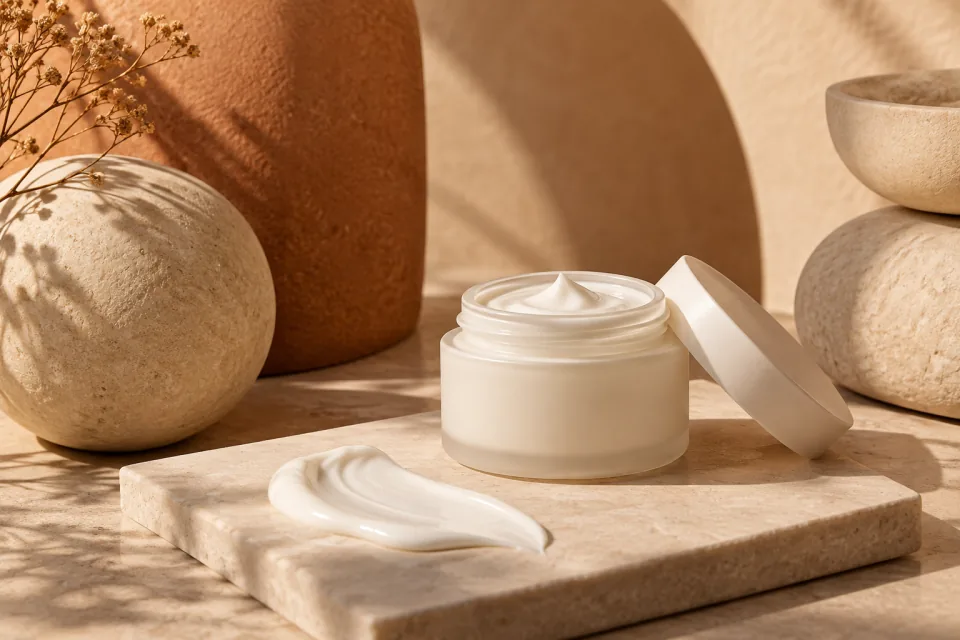
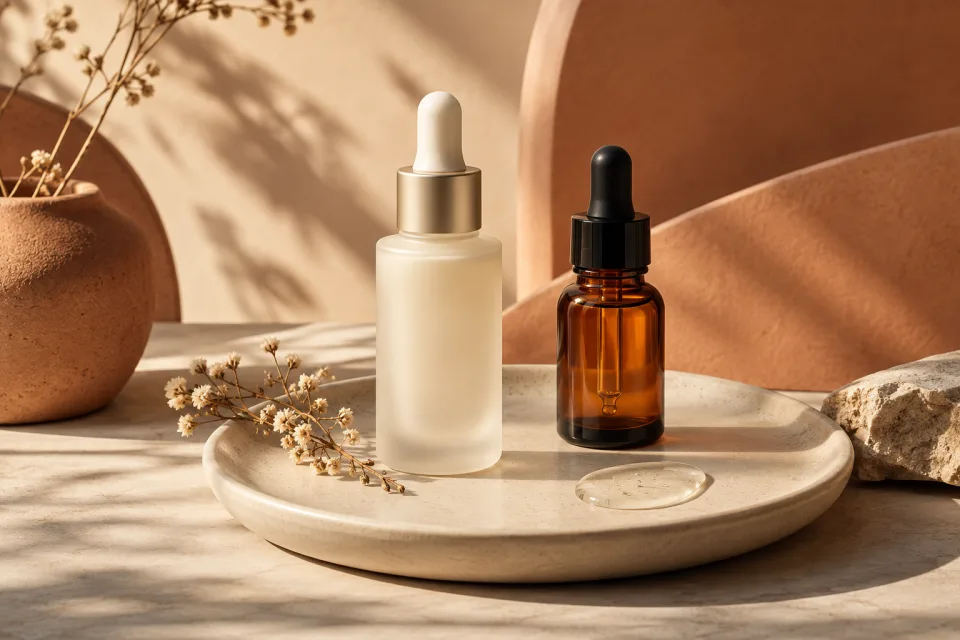
Peach & Lily's Copper Peptide Pro Firming Serum and Peptide Pro Firming Moisturizer are reviewed individually in this guide. The serum is a 30 mL product priced at $49, while the moisturizer is 50 mL at $45. They are separate finished formulas, not simply two package sizes or strengths of the same product.
The serum's name emphasizes copper, but the moisturizer's ingredient list also includes Copper Tripeptide-1. Both therefore appear in our copper-containing grouping. That classification identifies a disclosed ingredient; it does not suggest the formulas have identical concentrations, clinical evidence or compatibility instructions, and it is not a ranking of their effectiveness.
The percentage belongs to the serum
The serum page advertises 0.2% copper peptide together with twelve additional peptides. We attribute that concentration statement to the brand and retain the exact product context. The reviewed moisturizer page does not establish the same percentage, so it would be misleading to copy the serum's number into the cream's specification.
Both formulas include other ingredients relevant to their use. The serum names humectants and squalane, while the moisturizer combines peptides with a more substantial moisturizing base and additional extracts. A comparison that considers only the word copper would miss those formulation differences and the separate role each product may occupy in a routine.
Ingredient details that deserve separate attention
The moisturizer's published list includes bergamot fruit oil. That fact should remain visible to someone reviewing aromatic ingredients or a previous reaction. We did not verify a formal fragrance-free statement for either reviewed product, so the filter preserves that uncertainty rather than inferring a brand-wide fragrance status from selected marketing highlights.
Peach & Lily also uses vegan-collagen language for the moisturizer. An ingredient described that way is not proof that a cream deposits new human collagen into the skin or reverses a clinical condition. Read the cosmetic appearance claim, ingredient identity and supporting evidence as related but distinct pieces of information.
Compare the standard purchase and the bundle
At the checked one-time prices, the serum costs approximately $1.63 per mL and the moisturizer $0.90 per mL. The lower unit price does not show that the cream provides a greater effective peptide dose. It mainly describes how much finished product is supplied for the money within two different routine categories.
The brand also lists a $89 duo containing the two products, compared with $94 when their standard prices are added. That is a $5 package saving at the checked offers. It only reduces a reader's intended spending if both products were wanted; buying an additional formula solely to unlock a bundle can increase the total basket.
Read the study presentation as brand evidence
The product pages present appearance claims and before-and-after material, including references to third-party consumer study results. That presentation is more specific than an unsupported slogan, but it does not provide an independent head-to-head comparison with every competing peptide formula. We have not tested either product or reproduced the reported results.
Peach & Lily adds useful formula and price variety to the register. Its strongest comparison details are the separate product pages, disclosed ingredients and standard package measures. Decide which routine role is actually needed, then review that product's complete label and evidence rather than assuming that buying the pair will necessarily improve the outcome.
Useful distinctions
- Separate serum and moisturizer documentation
- Known standard prices and metric volumes
- Copper ingredient named in both formulas
Limitations to weigh
- Serum percentage cannot be assigned to the cream
- Fragrance-free status not verified
- Brand study material does not establish comparative superiority
Sources & further reading
Official pages and evidence consulted for this article. Checked October 11, 2026. Provider pages establish advertised terms; they do not independently establish effectiveness.